

Fish shooting games combine moving underwater targets with arcade-style aiming controls. The colorful presentation can make the interface look simple, but a new player still needs to understand how shots consume credits and how the game awards rewards. If you found this guide while searching for luckycola, start with the instructions for the exact title you are considering.
The aim of this beginner guide is to make the controls and costs easier to understand. No firing pattern can promise a capture or a profitable session. A useful first session is one in which you can explain what every button does and recognize when to stop.

Understand the Controls Before You Fire
Locate the aiming control, fire button, cannon-level selector, and help menu. Some games include automatic firing or target-lock features, while others use different controls. Read what these features actually do before activating them.
In particular, check whether holding down the fire button causes continuous spending. A brief burst can be easier to track than a long stream of shots. If an animation obscures the balance, pause and review the credit total before continuing.
Read the Reward Information
Fish size, color, and animation are visual cues, but they do not independently establish the probability of a capture. Use the displayed reward information and any explanations in the help menu. Where a reward is expressed as a multiplier, find out which stake or shot value it multiplies.
For readers comparing beginner guides through luckycola, this distinction matters: a large potential reward tells you what a qualifying result may pay, rather than how likely that result is.
Use a Simple Beginner Checklist
| Before starting | What to confirm | Practical purpose |
|---|---|---|
| Aim control | How the cannon follows your input | Makes targeting easier to understand |
| Shot cost | Credit cost at the selected setting | Keeps spending visible |
| Reward rules | Requirements for receiving a reward | Prevents guesses based on fish size |
| Automatic features | Whether firing continues without input | Avoids unintended repeated shots |
| Credit type | Demo credits or funds with real value | Clarifies the stakes |
| Stop point | A fixed time and spending limit | Defines the end of the session |
Practice in a Demo When Available
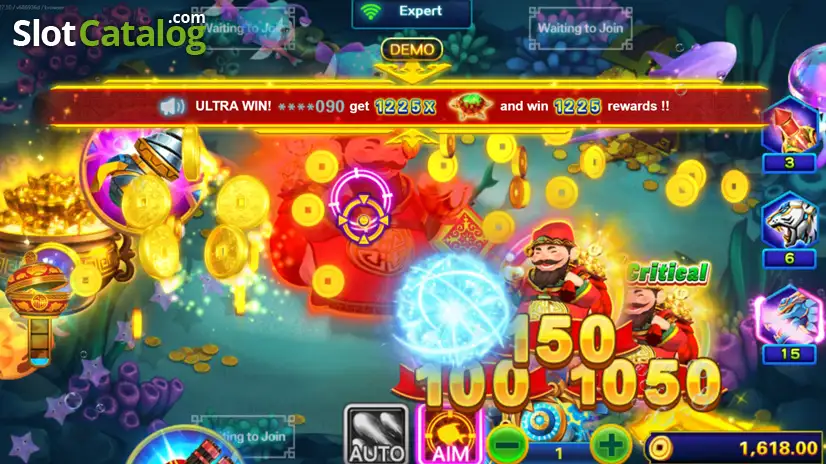
A demo can help you learn the interface without committing a real-money stake. Observe how fish enter and leave the screen, test how the aim control responds, and check how quickly the displayed balance changes at different settings.
Demo outcomes are not a forecast of future results. Treat the practice session as a control lesson, and confirm that the demo and any real-money version use the same rules before drawing comparisons.
Make the Budget Easy to Follow
Before playing, choose an entertainment amount you can afford to lose and decide how long the session will last. Keep essential expenses outside that amount. Do not increase the limit because a fish appears unusually valuable or because earlier shots produced no reward.
When using luckycola to find fish game information, look for explanations of costs and rules rather than claims that one beginner technique always wins. A clear understanding of the interface is more useful than a promise of easy income.
Frequently Asked Questions
Is a bigger cannon always better?
No universal rule applies. A higher setting may increase the cost per shot or alter other mechanics. Read the game’s explanation before changing it.
Can practice guarantee better financial results?
Practice can improve familiarity with controls. It does not guarantee rewards or eliminate the uncertainty of a real-money game.
A Clear Starting Routine
Read the help menu, test the controls, confirm the shot cost, and set a stopping point. This routine gives beginners a manageable way to approach the game. Whether your next search uses luckycola or another keyword, keep those checks at the center of your preparation.