


The most useful Keno screen is often the payout table. It explains which results qualify for prizes and how the value changes with your ticket size. This luckycola guide starts with that chart, helping you connect the numbers you select with the award shown after a draw.
Read the Payout Table Before Choosing Numbers
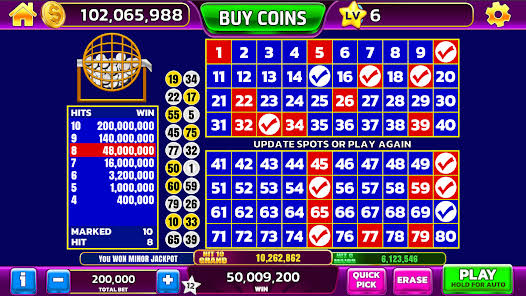
A Keno prize is based on more than the number of hits. The game also considers how many spots you selected. Three catches can mean one award on a small ticket and another on a larger ticket. Always select the relevant spot-count tab before reading a multiplier.
| Paytable detail | Question it answers |
|---|---|
| Selected spots | Which ticket size am I viewing? |
| Matches | How many selections must appear? |
| Prize or multiplier | What does that result return? |
| Zero-hit row | Can this ticket receive an award without a match? |
| Maximum award | Does a cap limit the displayed calculation? |
Do not assume every ticket pays for four matches or that every ten-number ticket has the same top prize. Those are game-specific settings.
What Does a Keno Multiplier Mean?
Total Return and Net Profit
When a multiplier represents total return, multiply it by the qualifying stake. For illustration, a ₱20 ticket returning 4x pays ₱80 in total; subtracting the ₱20 stake leaves ₱60 net profit. A 1x total return simply returns the stake.
Some interfaces describe awards differently, so check whether the displayed figure includes the original bet. The example above explains arithmetic and is not a quoted luckycola game paytable.
Ticket Stake and Total Round Cost
If you buy two tickets, each ticket may have its own prize calculation. Optional multipliers, jackpot contributions or repeat rounds can add costs. Compare the final amount charged with the stake used to calculate each award.
Why Spot Count Changes the Prize Structure
Adding selections creates more possible match counts, but matching every selected number becomes harder in the common 80-number, 20-draw format. The important comparison is the complete payout schedule, including lower prize tiers, rather than only the headline maximum.
| Ticket approach | What to inspect | Useful comparison |
|---|---|---|
| Fewer selected spots | Small set of match outcomes | Awards available at each result |
| Mid-size selection | Several possible match tiers | First paying result and upper tiers |
| Larger selection | Wider range of hit counts | Partial matches, zero-hit rules and cap |
For luckycola readers, this is a practical way to compare versions without treating a bigger maximum as a complete measure of value.
How to Check a Finished Round
Count the selected numbers that appear in the draw, open the matching spot-count table and find the exact result. Then apply any eligible feature according to its rules. A colored special ball may affect a multiplier, but only if the stated trigger condition is satisfied.
If a payout looks unexpected, round history is useful: it may show the accepted stake, active selections, feature costs and credited amount together. A screenshot of the final animation alone may omit part of that calculation.
Where RTP Fits Into a Paytable Comparison
Return to player describes the theoretical share of stakes returned over many plays under a specified game configuration. When RTP is published, compare it alongside the ticket setting and any optional features. A maximum multiplier describes one result; RTP summarizes the whole prize structure.
Neither figure tells you the result of your next ticket. Their purpose here is to help you understand what the game is offering before you choose a format.
A Better Way to Compare Keno Prizes
Use the same stake and ticket size when comparing two games, then review every paying row and feature condition. With that approach, luckycola readers can assess Keno payouts through clear calculations rather than an isolated jackpot figure.