

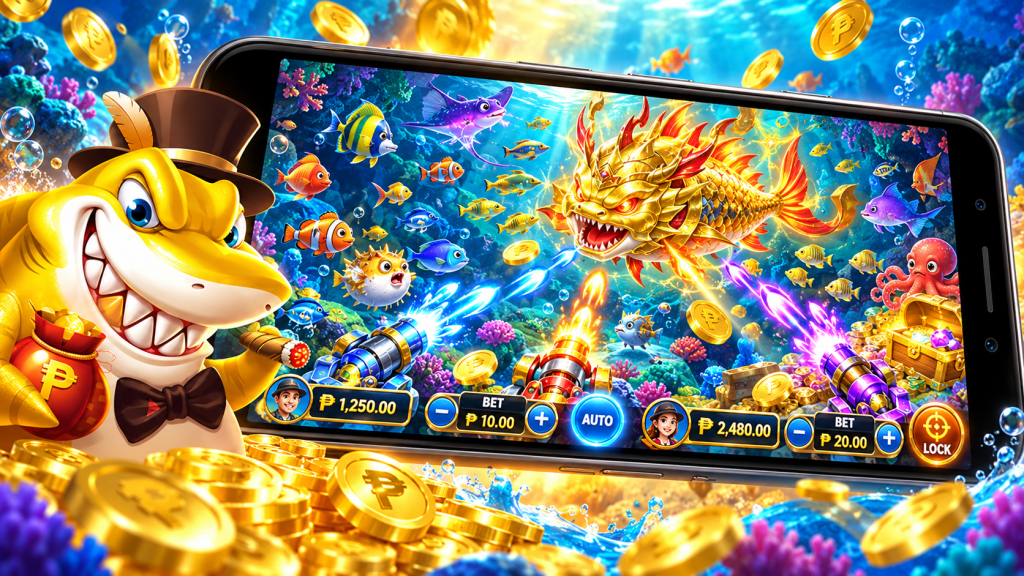
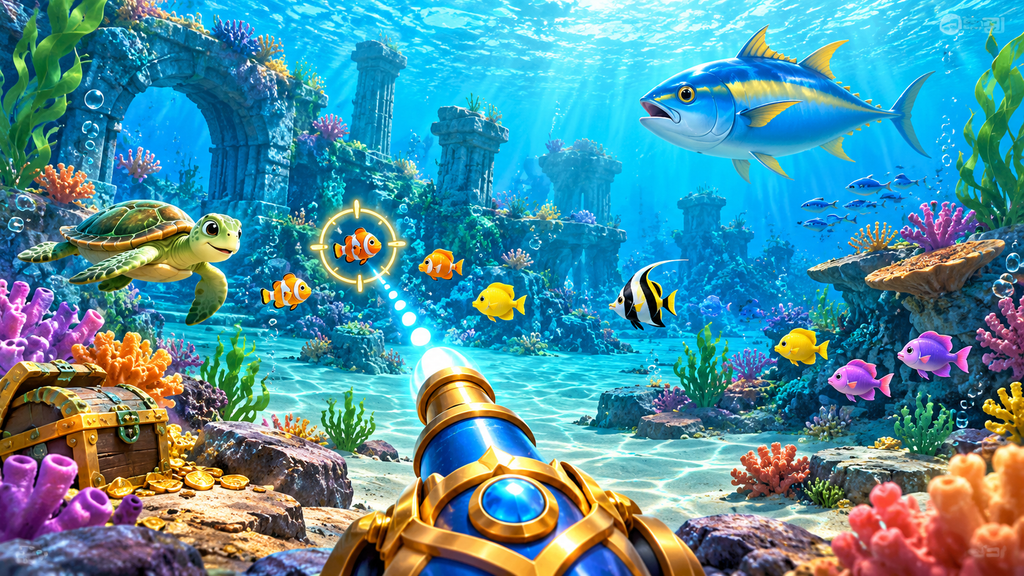
Online fish games combine moving underwater targets with a shooting interface. Instead of spinning reels, players direct a cannon toward fish and other creatures. Depending on the release, the screen may also contain special targets, temporary weapons or group effects.
For readers exploring this genre through luckycola, the first step is understanding how the selected game charges for shots and determines rewards. Colorful graphics make the action easy to follow, but they do not explain the financial rules.
How Does an Online Fish Game Work?
A typical session begins with choosing a room or shot value. Firing the cannon then deducts the applicable cost from the available balance. Successful captures may return rewards under the game’s paytable.
The cost of firing and the value of a capture are separate. A shot can cost money without producing a reward, and multiple attempts at one target can accumulate substantial spending.
Basic Terms to Understand
| Term | Meaning | What to Verify |
|---|---|---|
| Shot value | Selected cost associated with firing | Actual deduction per shot |
| Target multiplier | Displayed reward factor | Which stake or unit it applies to |
| Lock-on | Automatic tracking of a selected target | Whether tracking stops when it leaves |
| Auto-fire | Continuous shooting | How to stop it immediately |
| Paytable | Reward and feature information | Rules for the exact game version |
Learn the Controls Before Playing
Start by locating the bet adjustment, help menu and stop controls. If a demo is available, use it to learn the interface without risking a cash balance.
When reading beginner guides on luckycola, remember that a familiar control name can behave differently across games. One release may track a fish continuously; another may require selecting it again after a scene change.
Lock-on can simplify aiming. It does not guarantee capture or remove the cost of unsuccessful shots. Auto-fire similarly reduces manual input while potentially increasing spending speed.
Why Bigger Targets Need Careful Evaluation
A large creature can attract attention because of its animation or displayed reward. However, screen size alone is not a reliable guide to payout value or capture probability.
Read the rules rather than assuming that a target must pay after enough hits. If the game does not disclose a fixed-hit capture system, previous unsuccessful shots are not evidence that the next shot will succeed.
Understand Shot Costs
An illustrative shot value of ₱1 means 80 shots cost ₱80 before any rewards. At ₱2 per shot, the same 80 shots cost ₱160. These examples describe spending, not expected returns.
For luckycola readers, counting shots can make rapid gameplay easier to assess. Set a total session limit and stop when it is reached rather than raising the stake to recover earlier spending.
Frequently Asked Questions
Are Fish Games Entirely Skill-Based?
An aiming interface does not establish that payouts depend entirely on skill. The underlying capture and reward rules must be checked for each title.
Does Demo Success Predict Real-Money Results?
No. Demo play helps explain controls and features, but a successful practice session does not predict later cash outcomes.
Can Every Fish Game Use GCash?
Do not assume payment support from a genre label. GCash’s official gaming-access update and the operator’s current payment terms need to be checked separately.
Final Thoughts
The most useful beginner approach is learning the interface before evaluating any reward claims. Readers using luckycola guides should focus on clear rules, transparent shot costs and spending limits rather than promises of guaranteed wins.